Ecosystem Disruptions
Ecosystem disruption refers to changes in a natural environment that disturb the balance between living organisms and their surroundings. These disruptions can be caused by natural events like floods, wildfires, and storms, or by human activities such as deforestation, pollution, and urbanization. When an ecosystem is disrupted, the relationships between organisms—such as food chains and habitats—are affected, often leading to population decline, loss of biodiversity, or even ecosystem collapse if the damage is severe.
ECOSYSTEM DISRUPTION
An ecosystem is made up of living things and nonliving things interacting with one another. Living things include plants, animals, fungi, and microorganisms. Nonliving things include sunlight, water, air, soil, temperature, and rocks.
An ecosystem is considered stable when the organisms and environmental factors are balanced. This does not mean that nothing changes. Ecosystems naturally change over time. However, a stable ecosystem can adjust to small changes and still continue functioning.
For example, if a small number of plants die, the ecosystem may still recover because other plants can grow. If a predator population slightly increases, the prey population may decrease for a while, but the system can return to balance.
However, some changes are too large or too sudden. These changes are called ecosystem disruptions. A disruption is an event or activity that disturbs the balance of an ecosystem. Disruptions may be natural or human-made.
Natural disaster
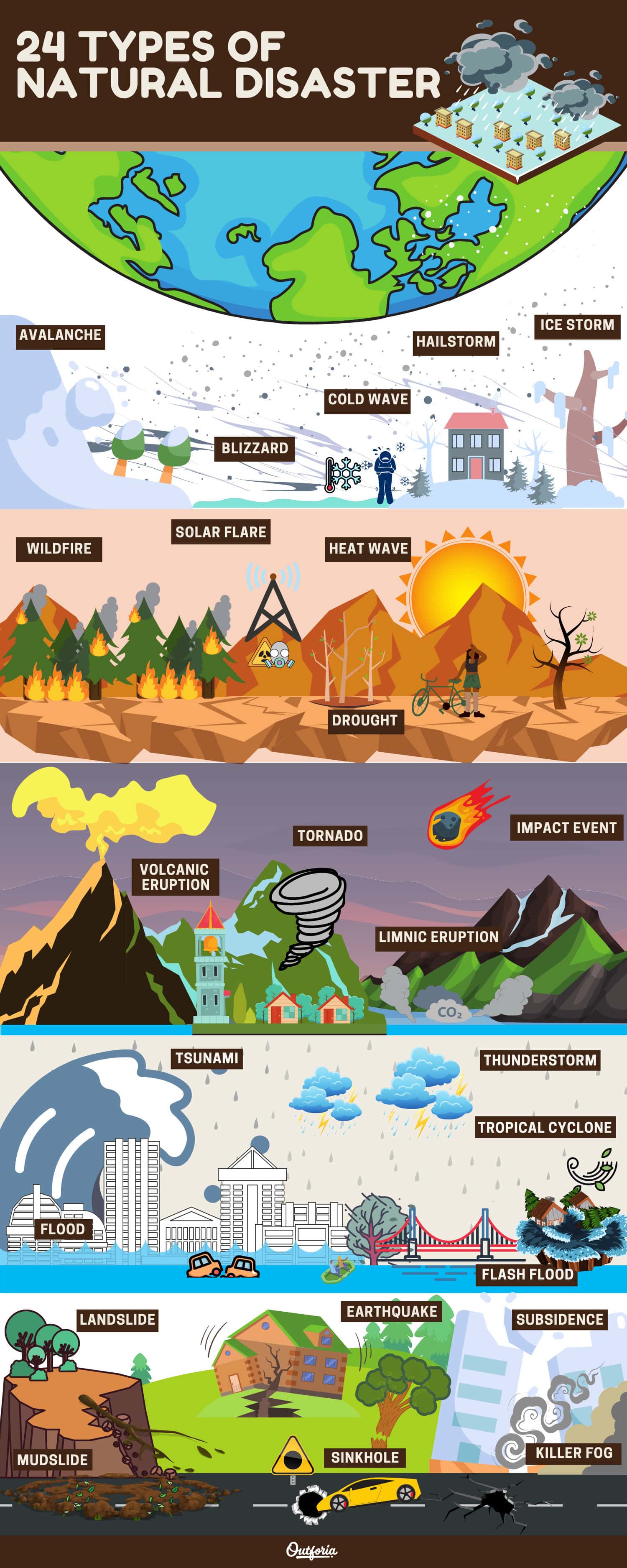
Natural disruptions happen because of natural events. Examples include typhoons, floods, droughts, volcanic eruptions, earthquakes, wildfires, and disease outbreaks.
For example, a strong typhoon may destroy trees and plants in a forest. If many plants are destroyed, herbivores may lose their food source. If herbivores decrease, predators may also lose their food. This can affect the entire food web.
A drought can also disrupt an ecosystem. When there is little rainfall, plants may dry up and die. Animals that depend on plants may have less food and water. Some animals may migrate to other places, while others may die.
Human Made Disruptions
Human activities can also disrupt ecosystems. Examples include deforestation, pollution, overhunting, overfishing, mining, burning of fossil fuels, land conversion, and improper waste disposal.

Deforestation happens when trees are cut down. This can destroy habitats and reduce the number of producers in an ecosystem. Animals that live in forests may lose their homes and food sources.

Pollution can harm organisms directly. Water pollution can kill fish and other aquatic organisms. Air pollution can affect plants, animals, and humans. Soil pollution can reduce soil quality and affect plant growth.

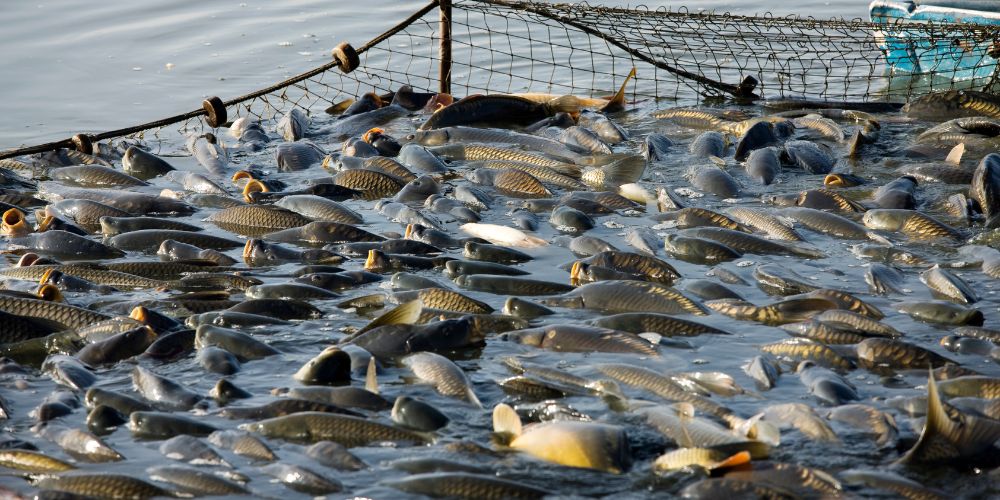
Overhunting and overfishing happen when too many animals are taken from the environment. If one species decreases too much, other organisms in the food web may also be affected.
Invasive species can also disrupt ecosystems. These are organisms introduced to a new environment where they may not have natural predators. They may compete with native species for food, space, and other resources.

Comments
Post a Comment